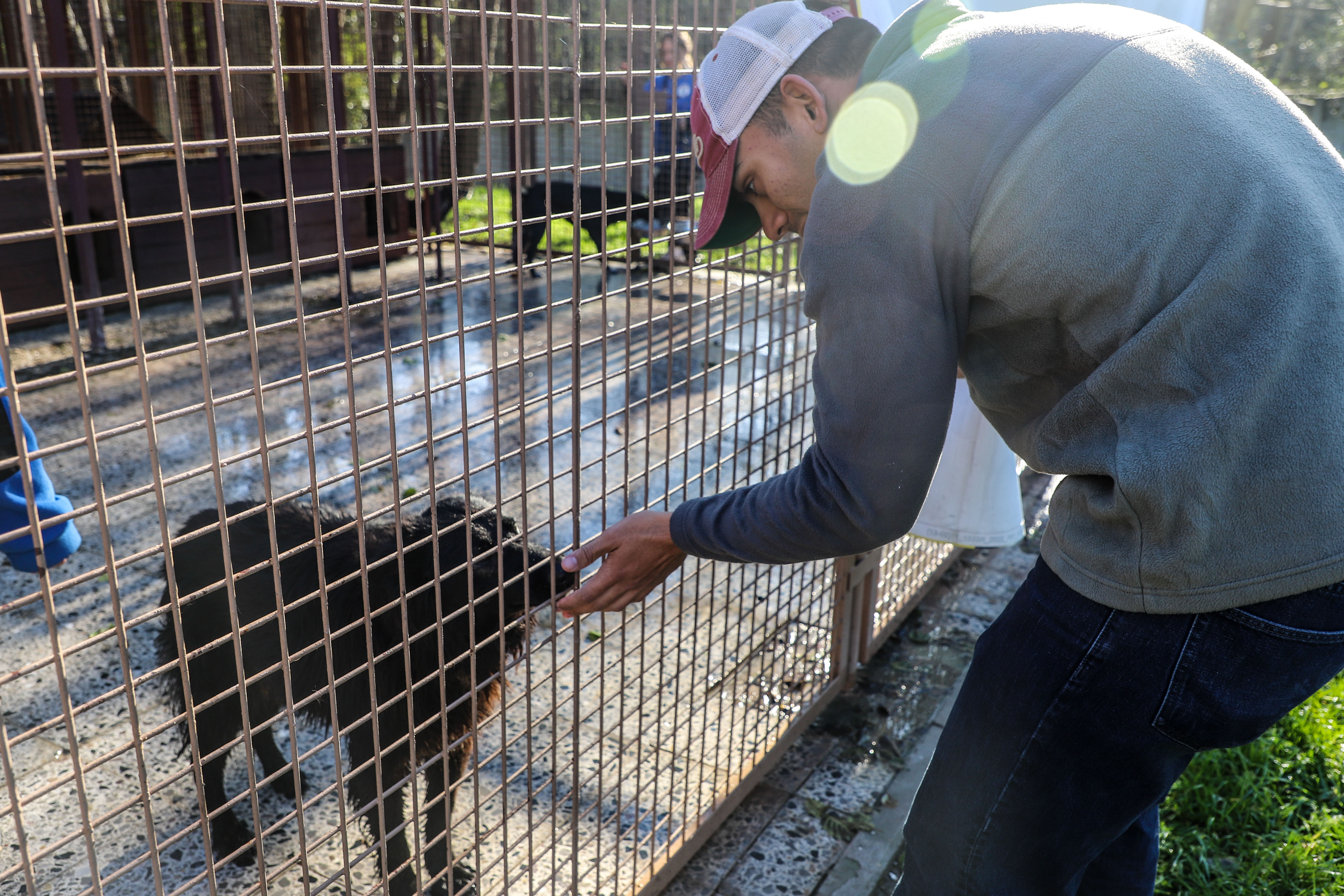
Why Foster Homes Matter
Fostering pets gives animals a softer place to land when shelter life is too loud, too crowded, or simply too much. A foster home can offer the steady routine, quiet, and one-on-one care that help an animal rest, recover, and become more ready for adoption. It also gives shelters a little breathing room so they can help the next animal who needs a place right away.

What Fostering Actually Means
Fostering is temporary care in a home, not a permanent adoption. The shelter or rescue remains responsible for the animal, while the foster family helps with day-to-day care for a set period. That may be a few days, a few weeks, or longer depending on the animal’s needs and the program’s guidance.
Organizations such as the ASPCA and Petfinder describe foster care as a practical way to give animals a home environment while the shelter helps manage their placement and support.
Which Animals Often Need Foster Care
- Kittens and puppies who are too young for the shelter environment or need extra socialization.
- Recovering pets who need a quiet place after illness, surgery, or medical treatment.
- Shy or stressed animals who may struggle in a busy kennel.
- Pets with special needs who do better with predictable routines and close attention.
For young kittens in particular, groups like Alley Cat Allies emphasize that home-based care can be especially important when kittens are not yet ready for shelter life. A local shelter can always tell you which animals need the most help right now.
Benefits for Animals
In foster care, animals often settle more quickly because they are not constantly surrounded by noise, bright lights, and unfamiliar smells. That calmer setting can help them eat, sleep, heal, and learn how to live in a home.
Foster homes also make socialization easier. A cat who hides in a kennel may relax on a couch. A puppy may learn house manners, leash basics, or simple routines more naturally in a home than in a shelter run. Those small shifts can make an animal easier for adopters to understand and connect with.
Benefits for Shelters
Every foster placement creates more space in the shelter. That matters because overcrowding can make it harder to intake new animals, monitor behavior, and give each pet the attention they need.
Foster programs also give shelters flexibility. When a kennel is full, a foster home can be the difference between turning an animal away and finding a temporary safe place. It is quiet logistics, but it changes outcomes.
Benefits for Foster Families
Fostering can be deeply rewarding for families, couples, and individuals who want to help animals without making a permanent commitment right away. You get companionship, a chance to make a real difference, and the support of a shelter team that usually handles the adoption process.
Many people find that fostering is a good fit when they want to help but are not ready for a long-term adoption. It is a meaningful way to volunteer with a clear purpose and a built-in endpoint.
What to Expect Before You Foster
Before you bring an animal home, the shelter should explain what supplies they provide, what you need to have ready, and how often they want updates. Some programs supply food, medication, litter, crates, or bedding. Others may ask you to supply a few basics yourself.
You should also expect clear communication. Good foster programs tell you who to contact if the animal seems unwell, how long the placement may last, and what kind of information they want while the animal is in your care. If you are unsure about a requirement, ask before you sign up. That is not hesitation; it is good preparation.
How to Get Started Locally
If you want to foster, start by contacting a local shelter or rescue and asking what kind of animals they need help with right now. Some programs focus on bottle babies or medical recovery. Others need short-term fosters for adult dogs, cats, or pets recovering from surgery.
It can help to choose a program that fits your home and schedule. Ask about the length of commitment, whether you can foster with children or other pets in the home, and what support the organization provides. You can also learn more about the organization itself on our about page and reach out through our contact page if you want to ask a question or point someone toward fostering resources.
A Small Home Can Make a Big Difference
Fostering does not have to be dramatic to matter. A quiet room, a steady routine, and a patient caregiver can help an animal feel safe enough to heal and trust again. If you are ready to help, consider fostering, supporting your local shelter with a gift through donations or donation options, or simply sharing foster opportunities with someone who may be a good fit.
For many animals, the right foster home is not a luxury. It is the next step forward.